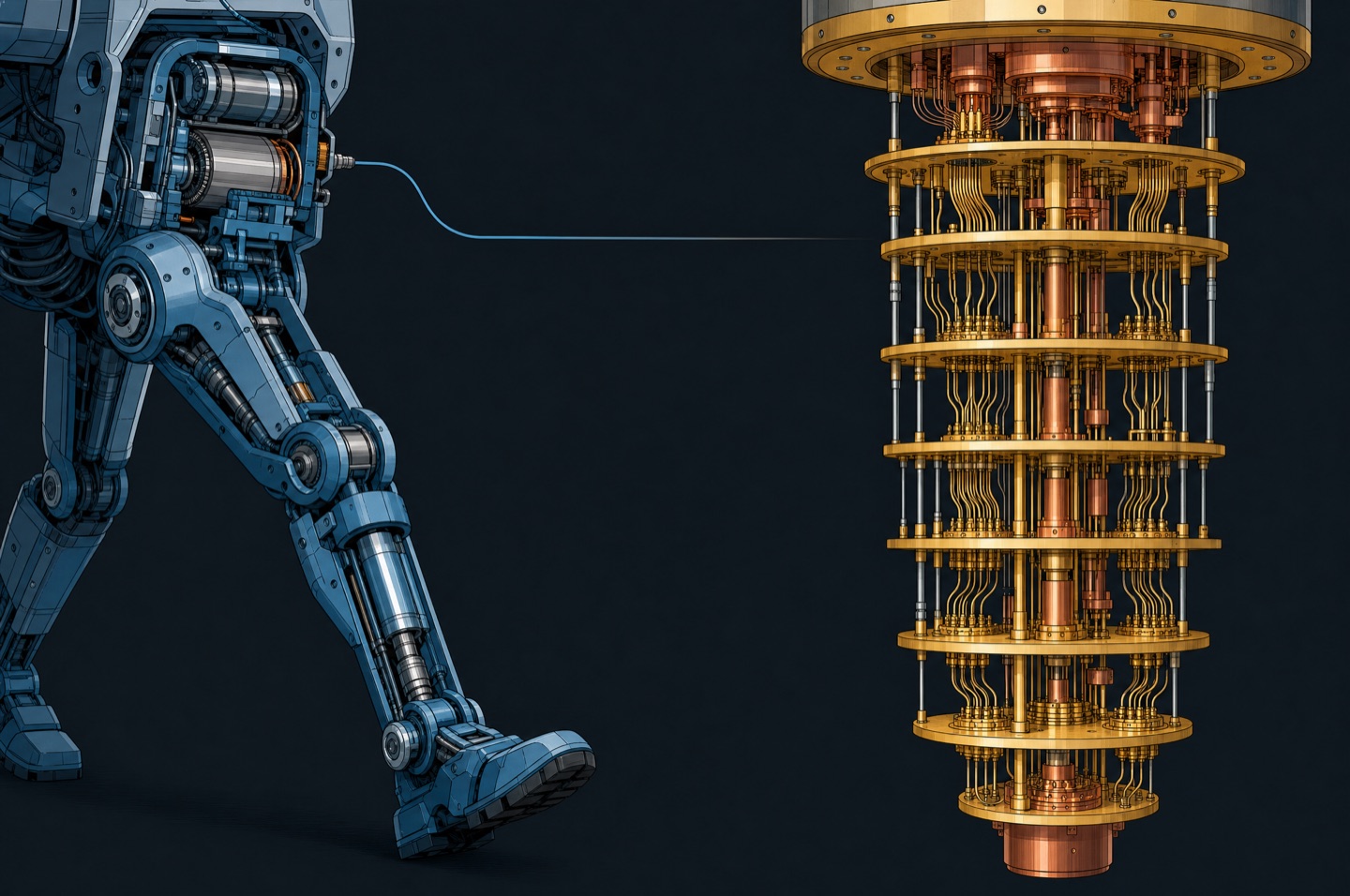
A quantum computer will never sit inside a robot’s control loop
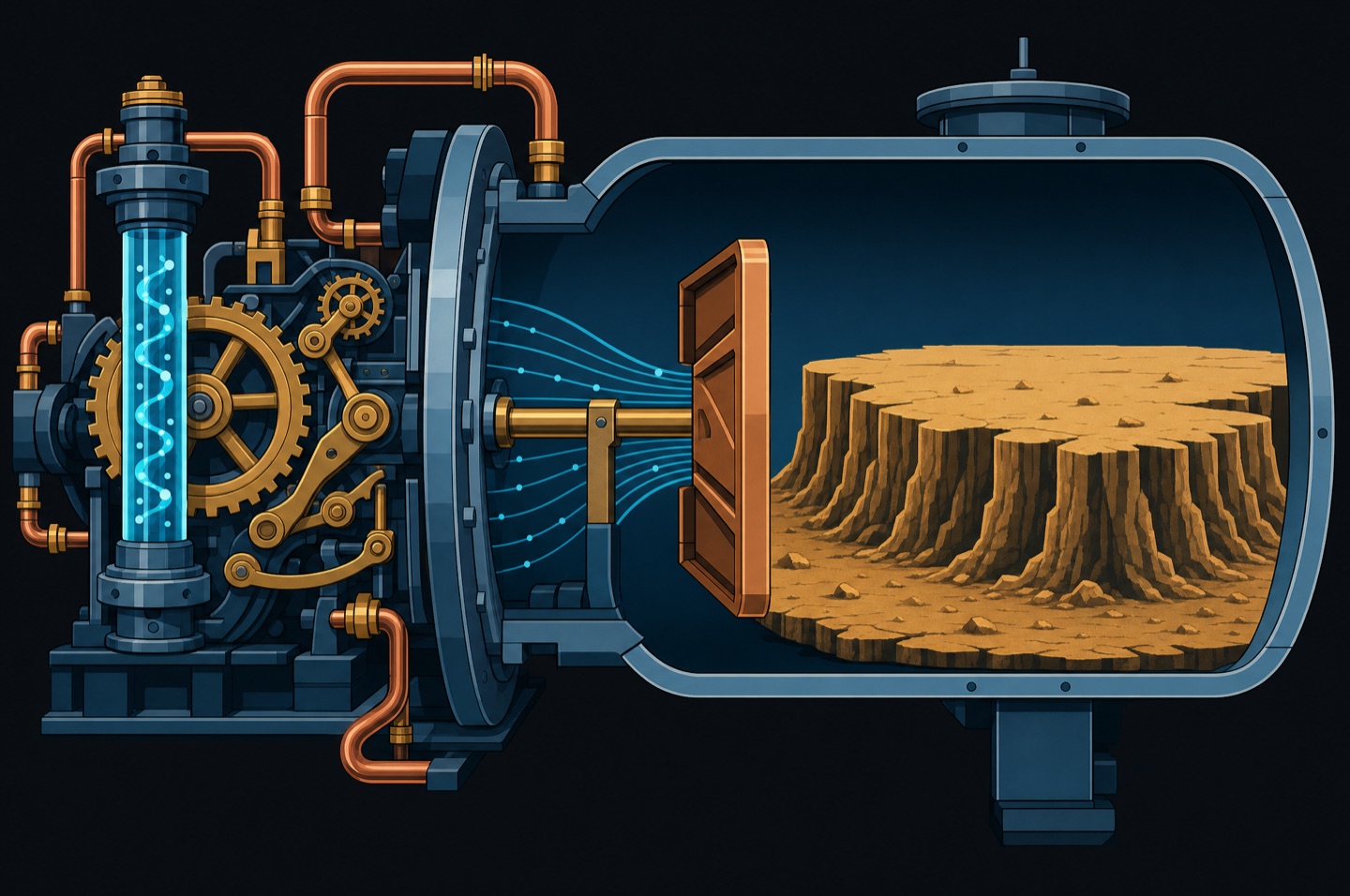
Not because the hardware is immature — because the latency budget of balance is three orders of magnitude smaller than the round trip to a dilution refrigerator.
Three fields get bundled together in the same sentence constantly. This desk covers where they genuinely intersect — the sensors, the decoders, the materials chain — and says plainly where they don't.
A single argued piece each week, plus what changed in the directory. Joined by [N] readers.
12 of 12 briefs
Not because the hardware is immature — because the latency budget of balance is three orders of magnitude smaller than the round trip to a dilution refrigerator.
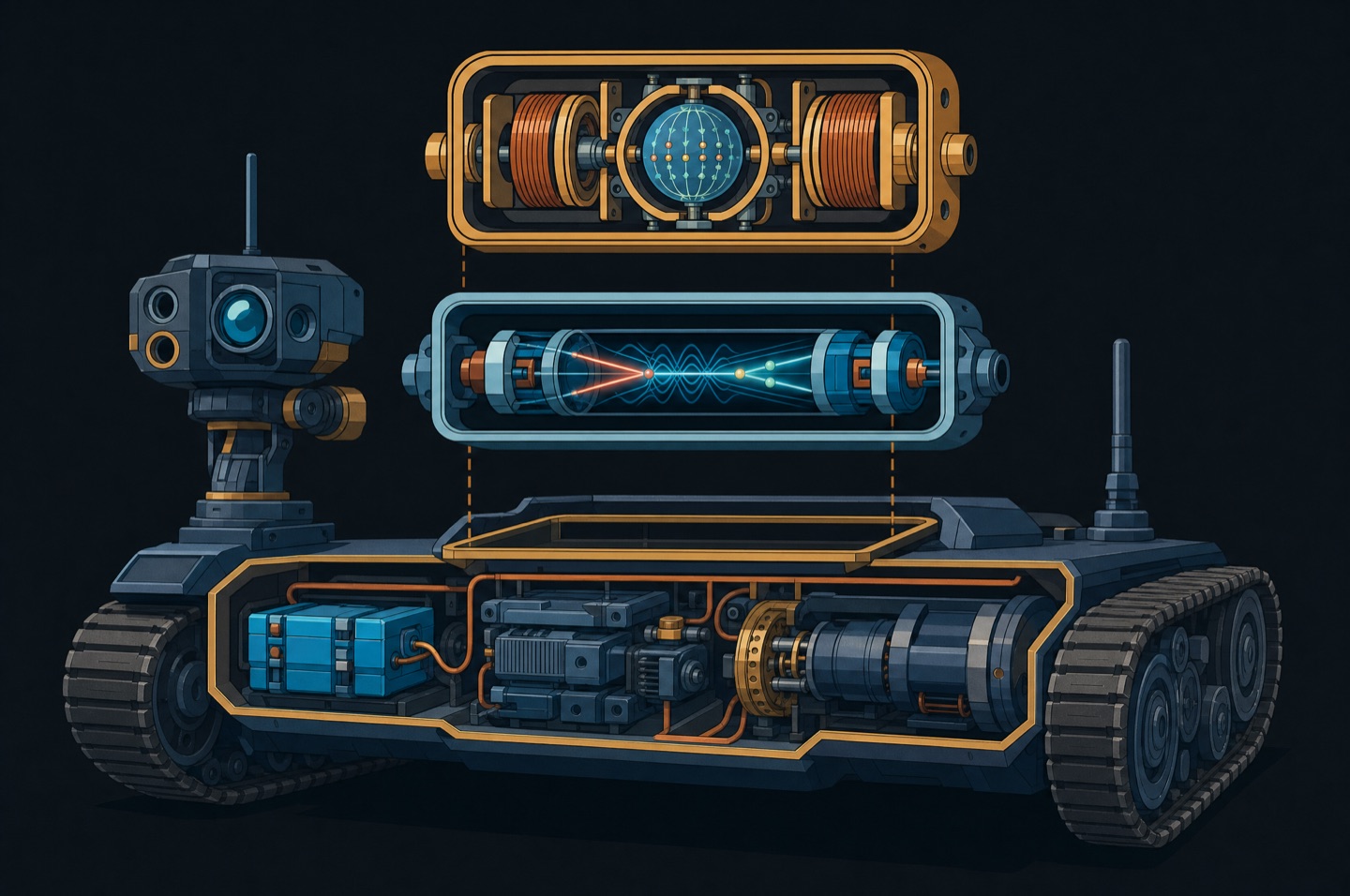
Magnetometers and atom interferometers are the part of the stack where quantum effects and embodied machines genuinely meet — and it has nothing to do with computation.
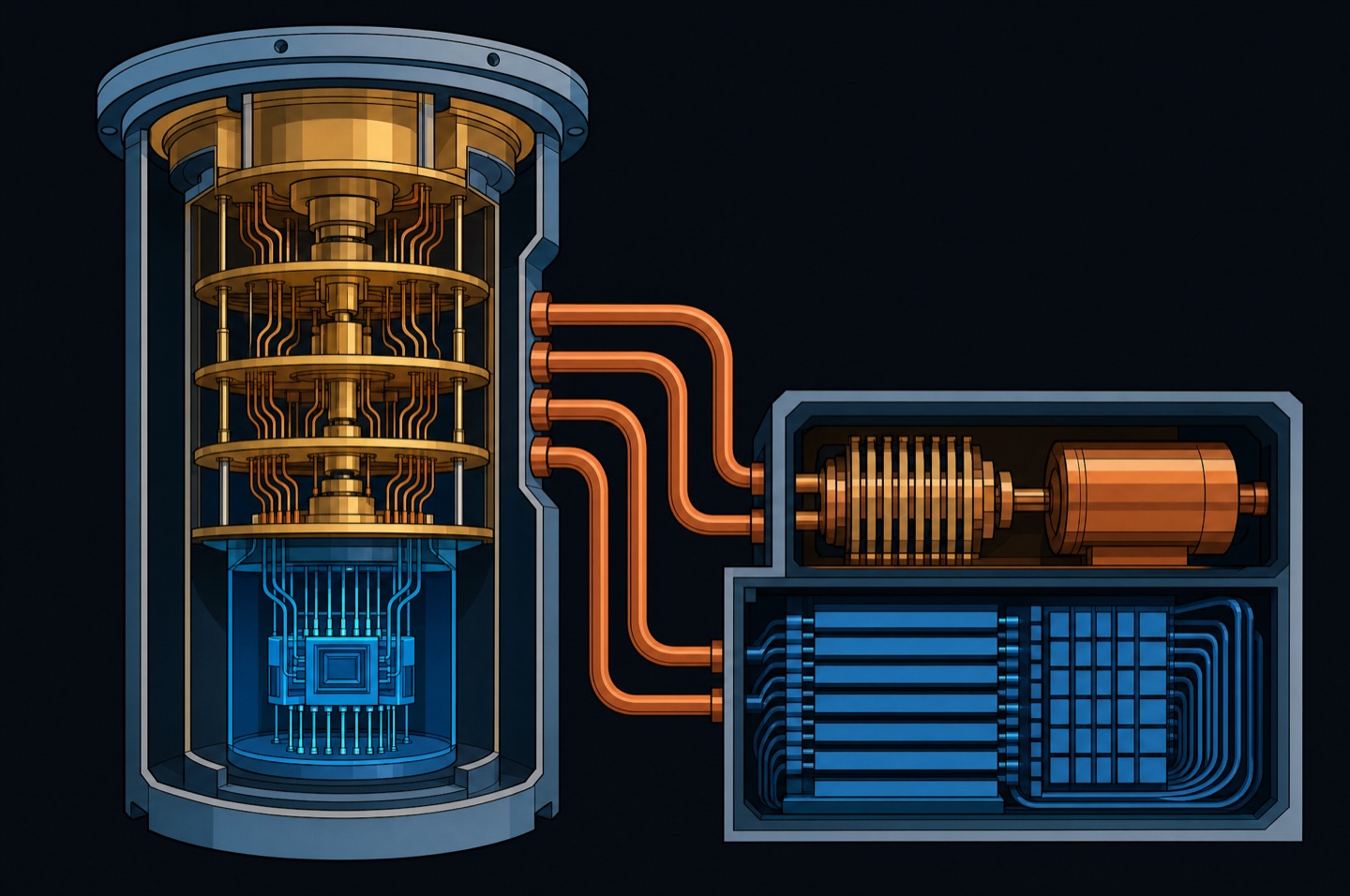
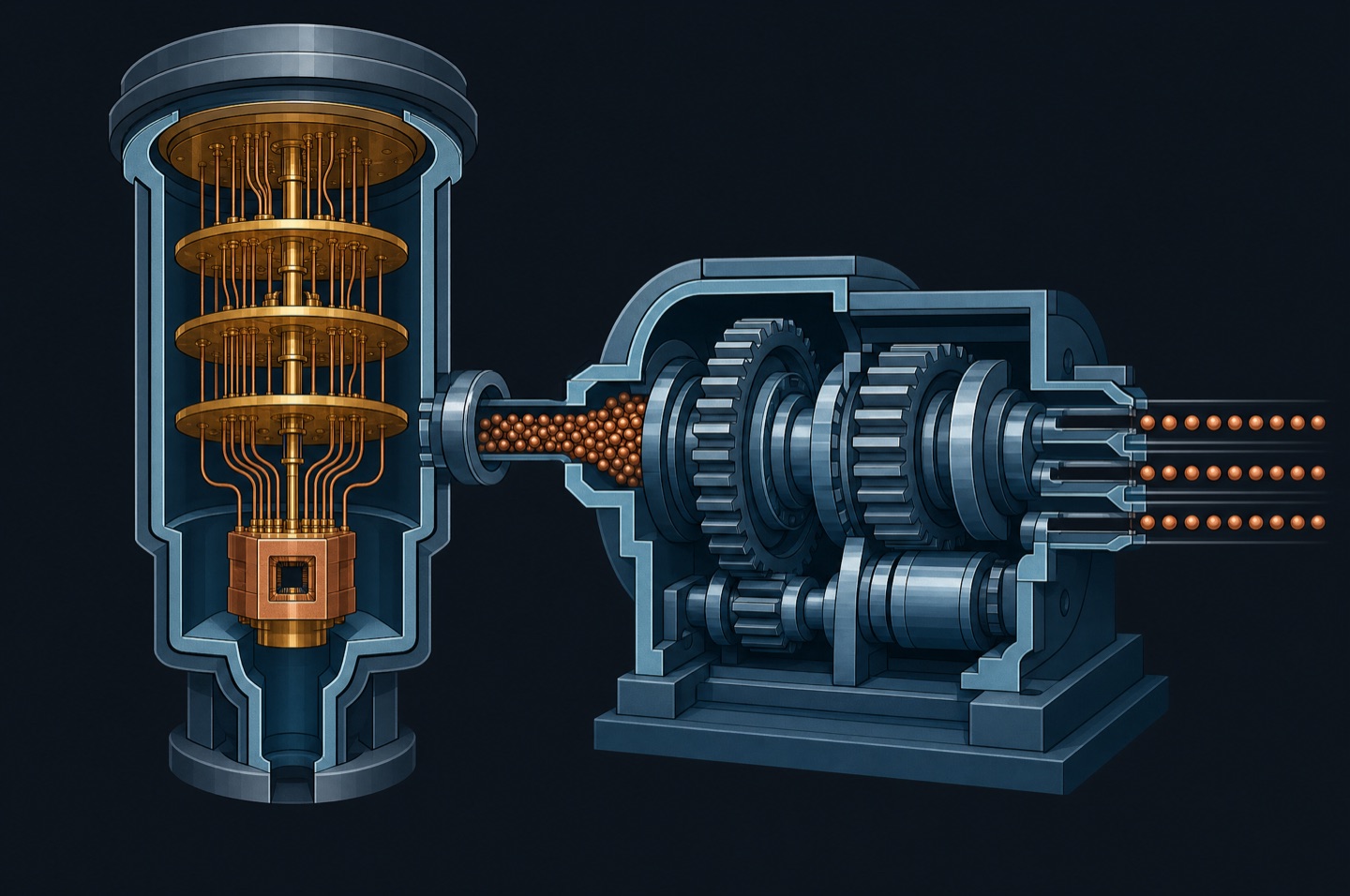
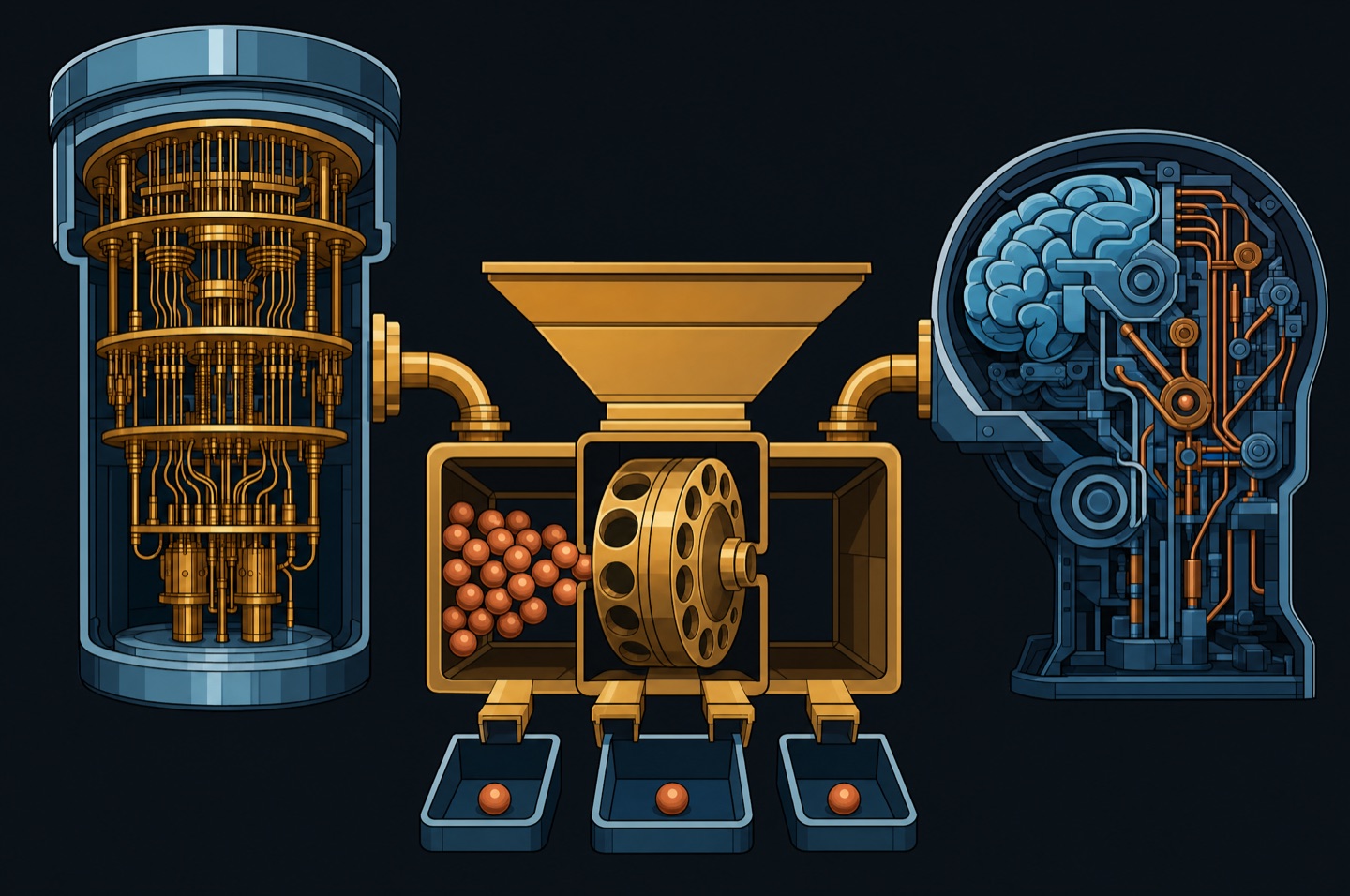
Error correction needs a classical inference engine running under a microsecond budget. That is a latency problem the ML community already knows how to think about.
The obstacle is structural, not a matter of waiting for better hardware — and it deserves to be the first question asked of any QML claim.
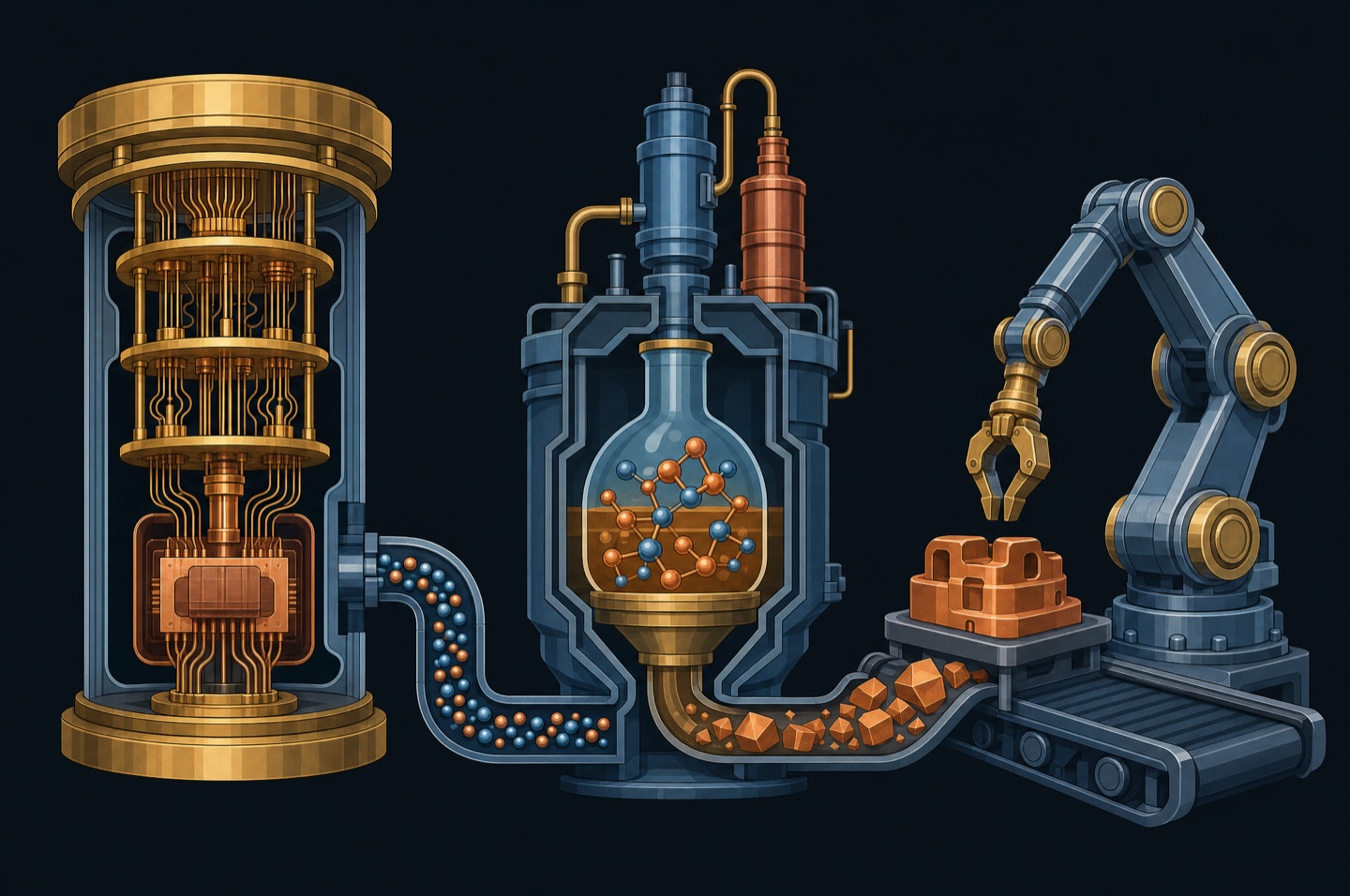
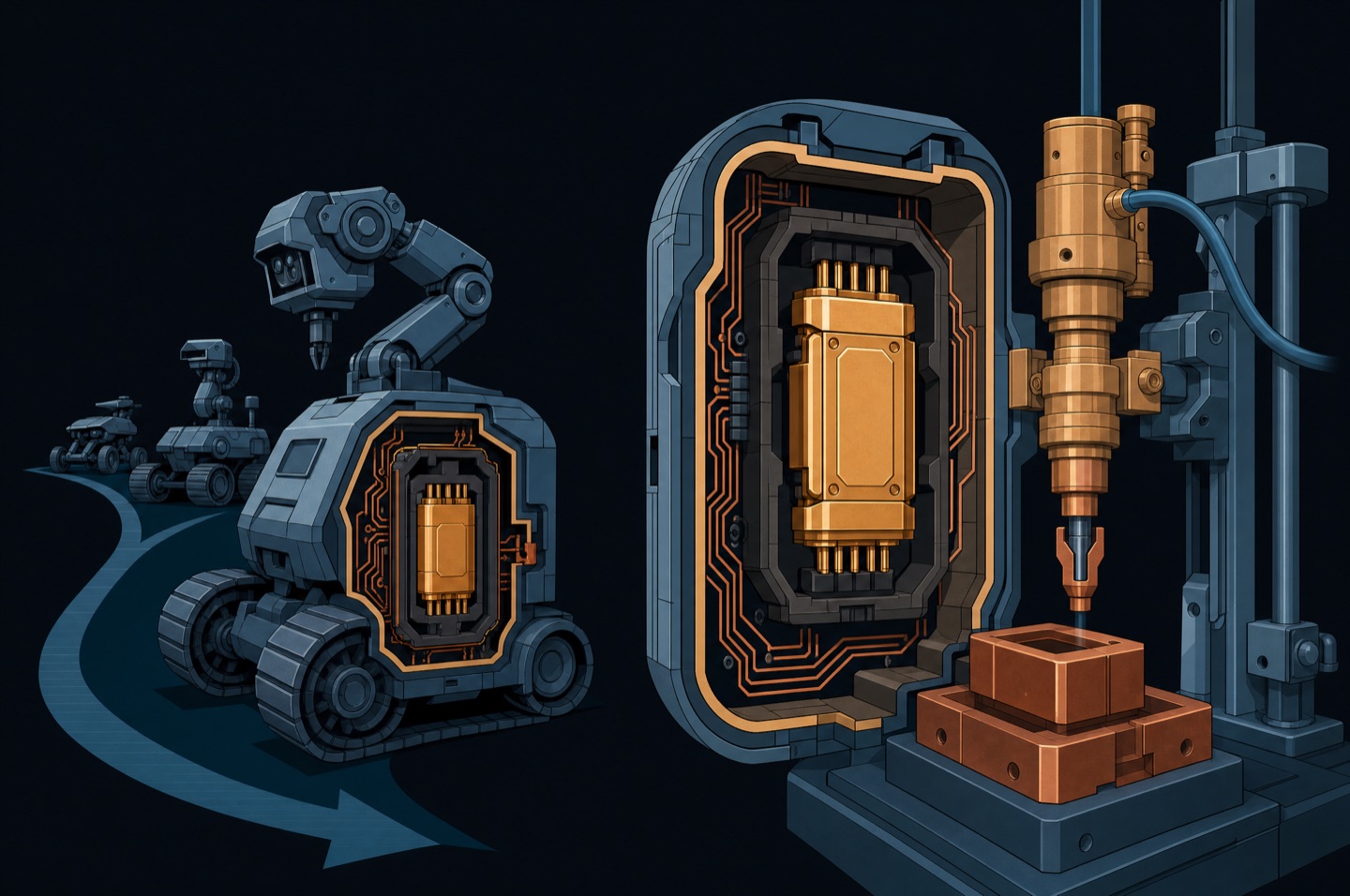
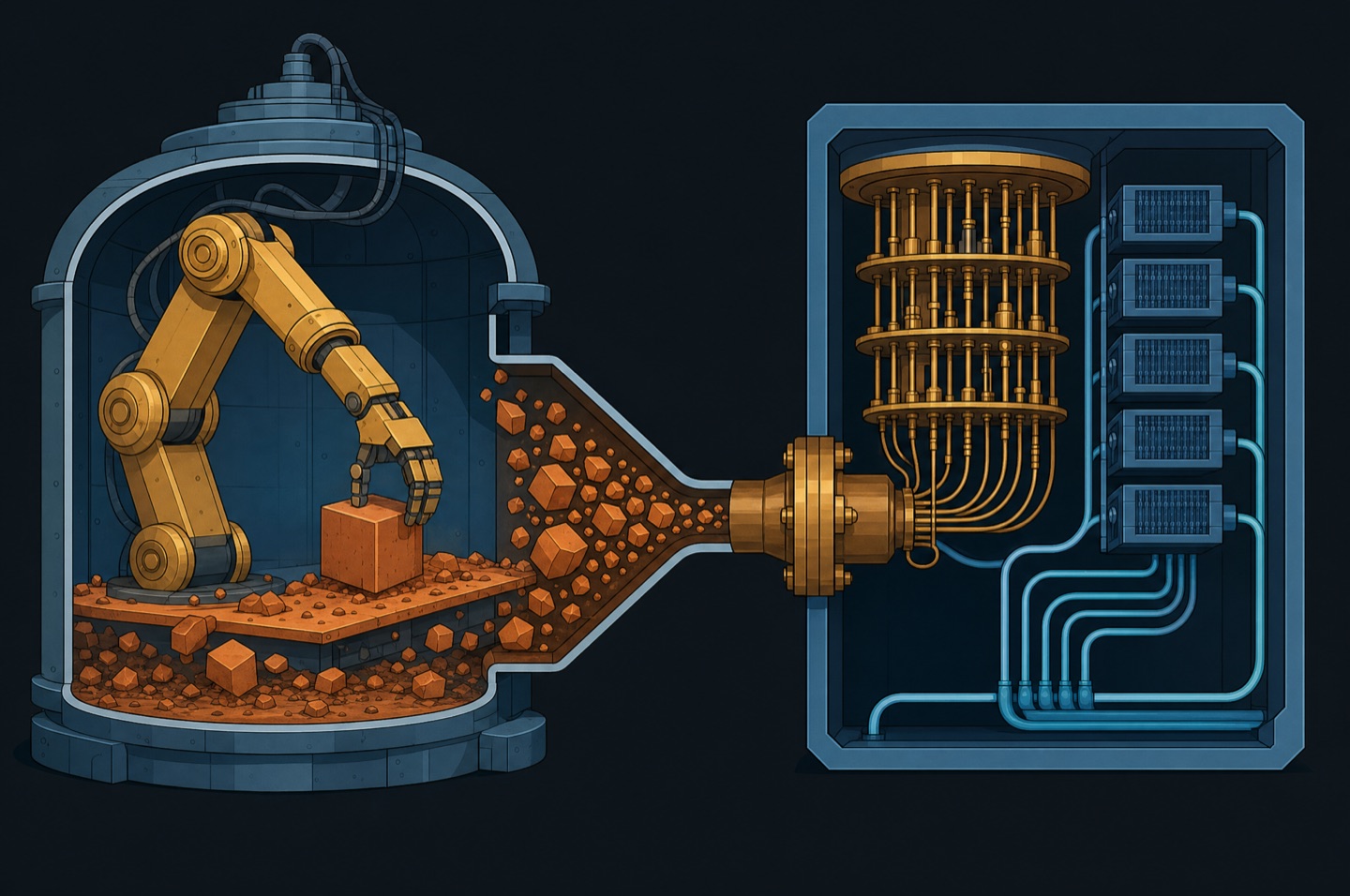
Simulating molecules and materials is the application quantum computers are actually suited to. Robots are downstream of materials in a way that is easy to overlook.
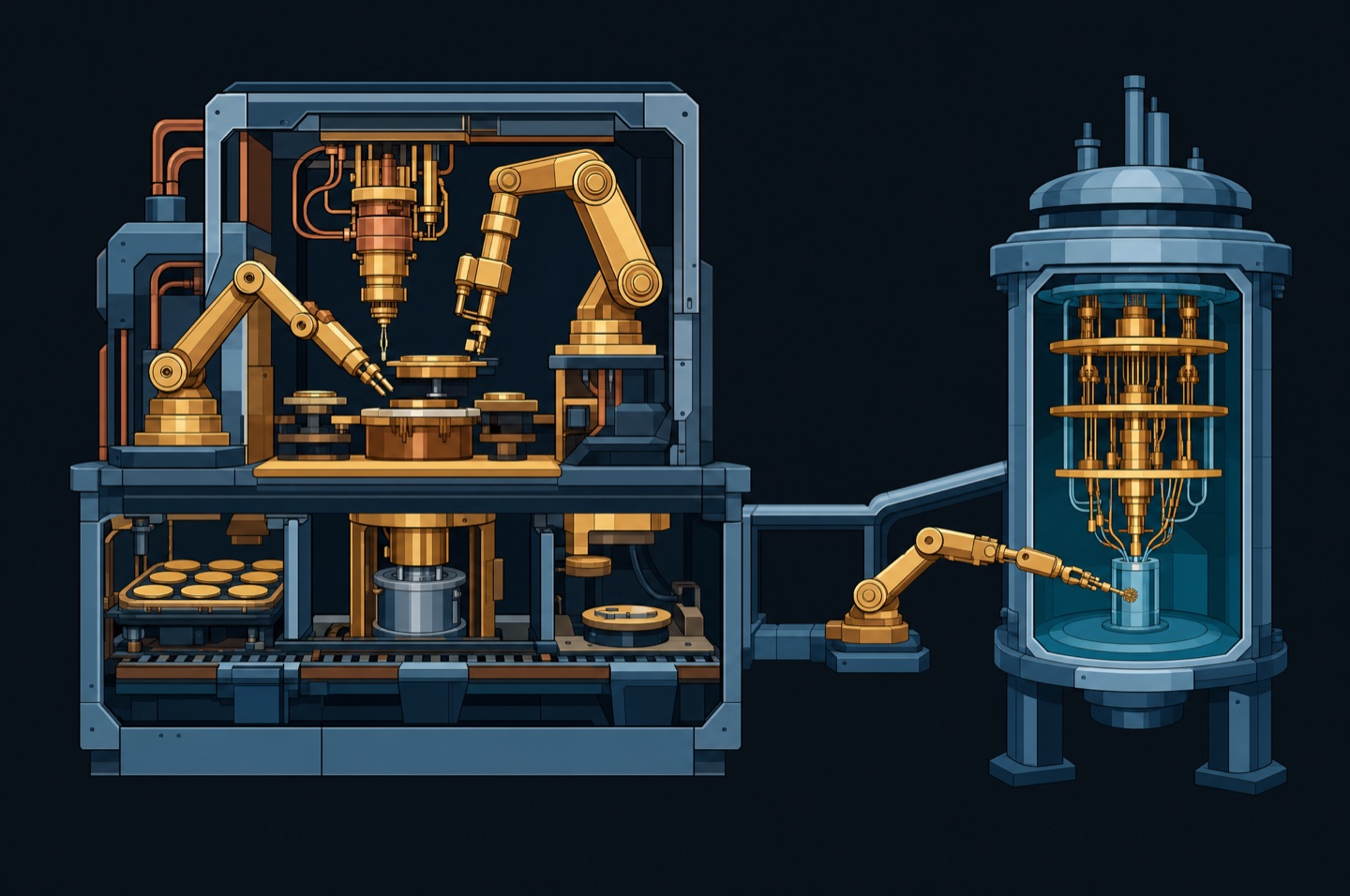
Automated laboratories running fabrication and characterisation are accelerating quantum device work today, while the return trip remains hypothetical.
Embodied systems have service lives measured in decades and signing keys burned into hardware. That combination is what makes post-quantum migration a fleet problem.
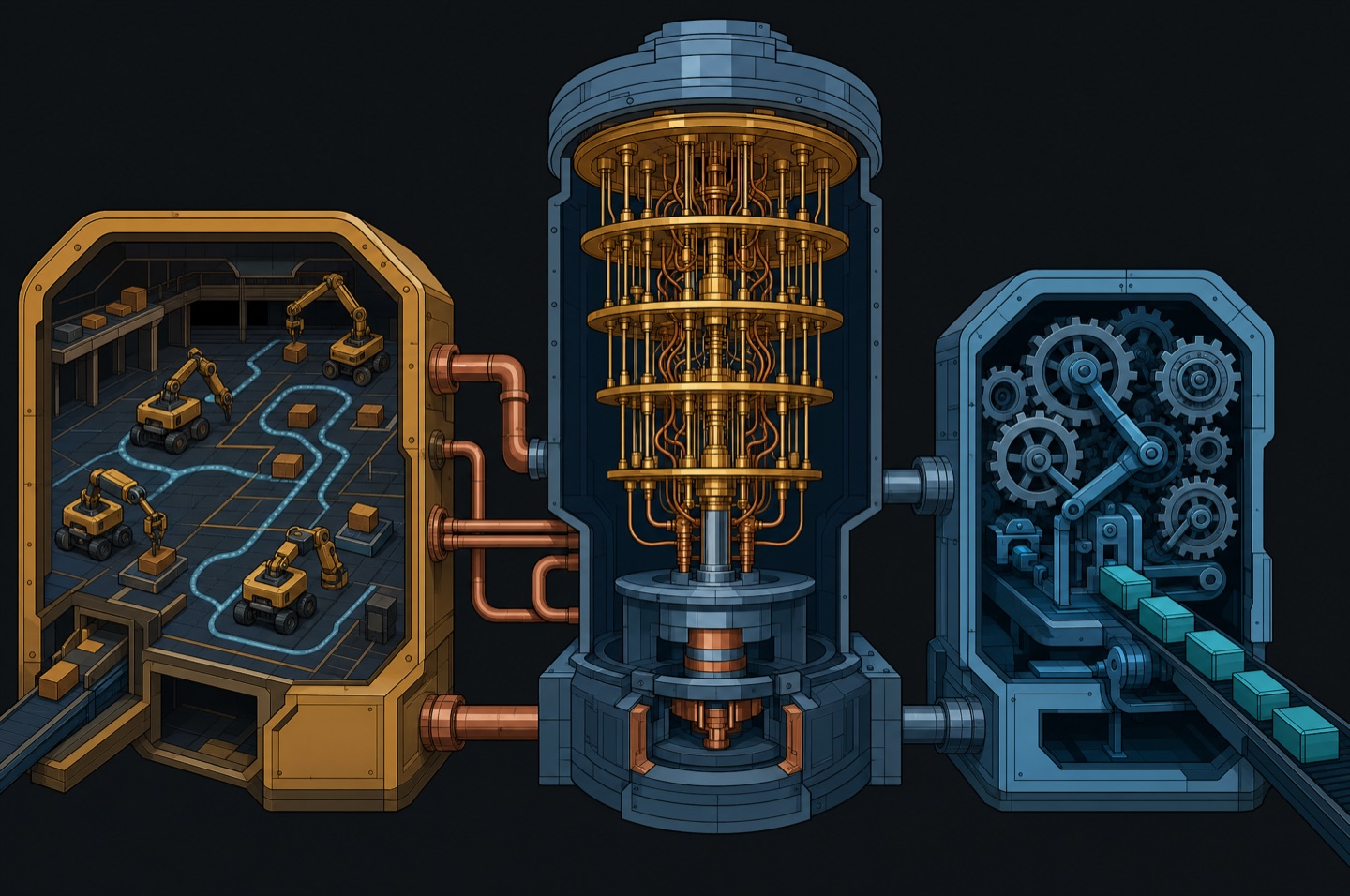
Task allocation and routing map cleanly onto quantum optimisation. Classical heuristics keep winning at the sizes that matter, and it is worth being precise about why.
Error correction changed the unit. A headline physical-qubit figure says almost nothing without the error rate it was achieved at.
The bottleneck in robot learning is contact with the world. No amount of compute of any kind manufactures interaction that never happened.
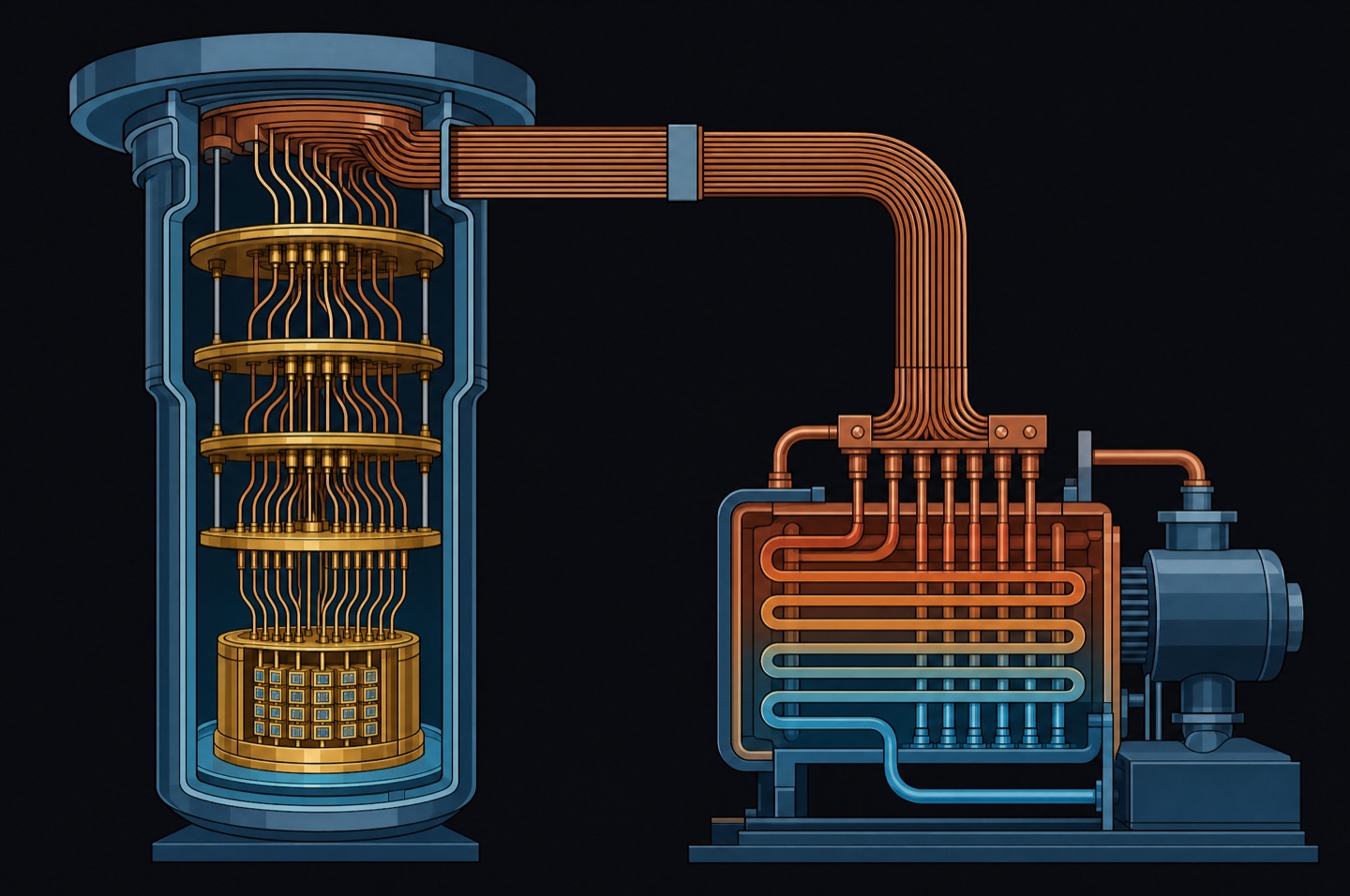
Every qubit needs control lines, and every control line carries heat into a fridge with a strictly finite cooling budget.
Both are defined by benchmarks that the claimant frequently selects. A short list of questions retires most of what circulates.
Try another beat, or clear the search.
IBM’s Python SDK for building, transpiling and running quantum circuits.
The most common entry point, and the one most tutorials assume.
The middleware layer most robotics stacks are assembled on top of.
Not a framework so much as the ecosystem everything else assumes.
A physics engine for contact-rich robotics and biomechanics simulation.
Fast contact dynamics — which is exactly the part sim-to-real strains hardest.
One argued piece a week on where these three fields meet. No link roundups, no press releases restated.